
Recycling Clothes and Textiles
Camille Alonso
Recycling clothes and textiles is essential for reducing environmental impact and promoting sustainable practices. This guide will provide you with practical steps to recycle your old clothes and textiles, based on information from reputable sources like Sustainable Jungle, Reader’s Digest, and Treehugger.
Assess Your Clothing
Start by evaluating all of the clothing that you want to get rid of or don’t want anymore. Separate them into categories: wearable, damaged but repairable, and beyond repair. Firstly, we will assess what can be done with the clothes with light damage in an eco-friendly way.
Donate or Reuse Wearable Clothes
One option is to donate gently worn clothes to local charities or shelters. These organizations often distribute clothes to those in need and help reduce demand for clothes. To take it a step further, you can also participate in or organize clothing drives in your community to encourage others to donate too. Another great way to reduce the demand for clothes is to host or attend clothing swap parties with friends and family. It’s a fun way to exchange clothes without buying new ones, if you have pieces in your wardrobe you’ve grown bored of but don’t want to throw away.
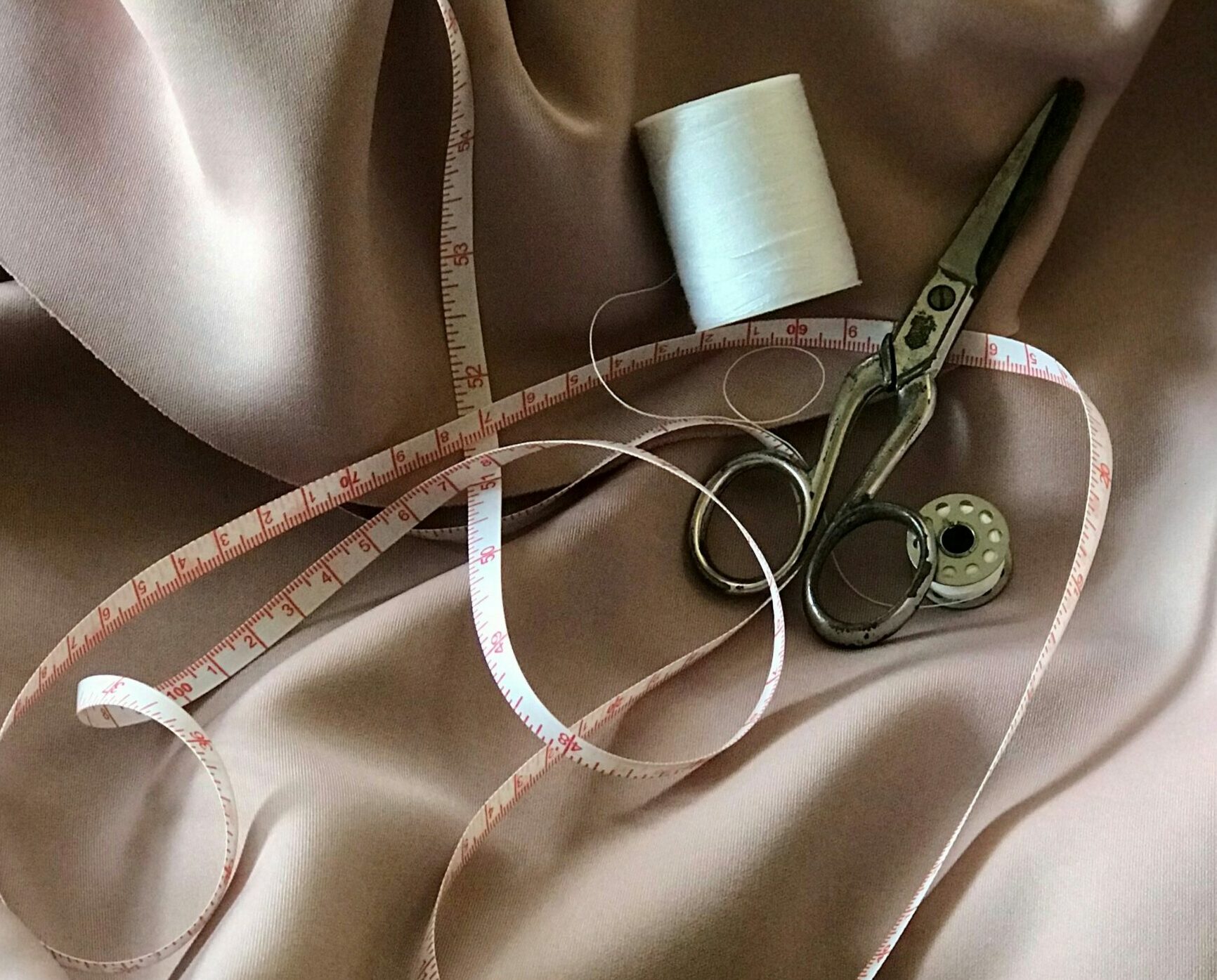
Repairing and upcycling clothes is another great eco-friendly way to recycle clothes. You can learn basic sewing skills to repair minor damages like loose buttons, small tears, or broken zippers online or through in-person classes or sewing clubs. If you want to try upcycling, you can convert old clothes into new items like tote bags, cushion covers, or rags. There are numerous online tutorials to guide you through upcycling projects, and upcycling can open your old clothing’s uses beyond the realm of fashion.
But what about fabric scraps and heavily worn clothes that can’t be donated, repaired, or make poor upcycling material?
Recycling or Repurposing Unwearable Material
Recycling your clothes is the best option for whenever your clothes are worn beyond acceptable donation material, or if you don’t have the time to upcycle or repair them. You can find local textile recycling centers or drop-off locations online, and many communities have specialized bins for textiles. If you don’t have a local textile center, general recycling centers are a great option as well, and you can ask them about textile recycling options in your area since some recycling facilities accept textiles alongside other recyclables. Lastly, you can explore retailer programs; some clothing retailers have recycling programs where they collect old clothes, regardless of the brand, and recycle them responsibly.
Repurposing these fabrics can also be a great option. Use fabric scraps for crafting projects like quilting, patchwork, or making cloth napkins, similar to upcycling.
Composting is also a great option if the fabric is natural, like cotton or linen. As long as it can degrade naturally, ragged clothes can make for a valuable compost material.
Outreach
By following these steps, you not only contribute to reducing textile waste but also inspire others to adopt sustainable practices. To take your eco-friendliness even further, share your knowledge about recycling clothes and textiles with friends, family, and on your social media. Outreach is the best way to help spread the word about eco-friendly clothing options. You can make a real change not only in your own life, but in other’s lives, especially if you choose to get involved with your local communities and online organizations like GirlsGreaterGood about the importance of textile recycling.